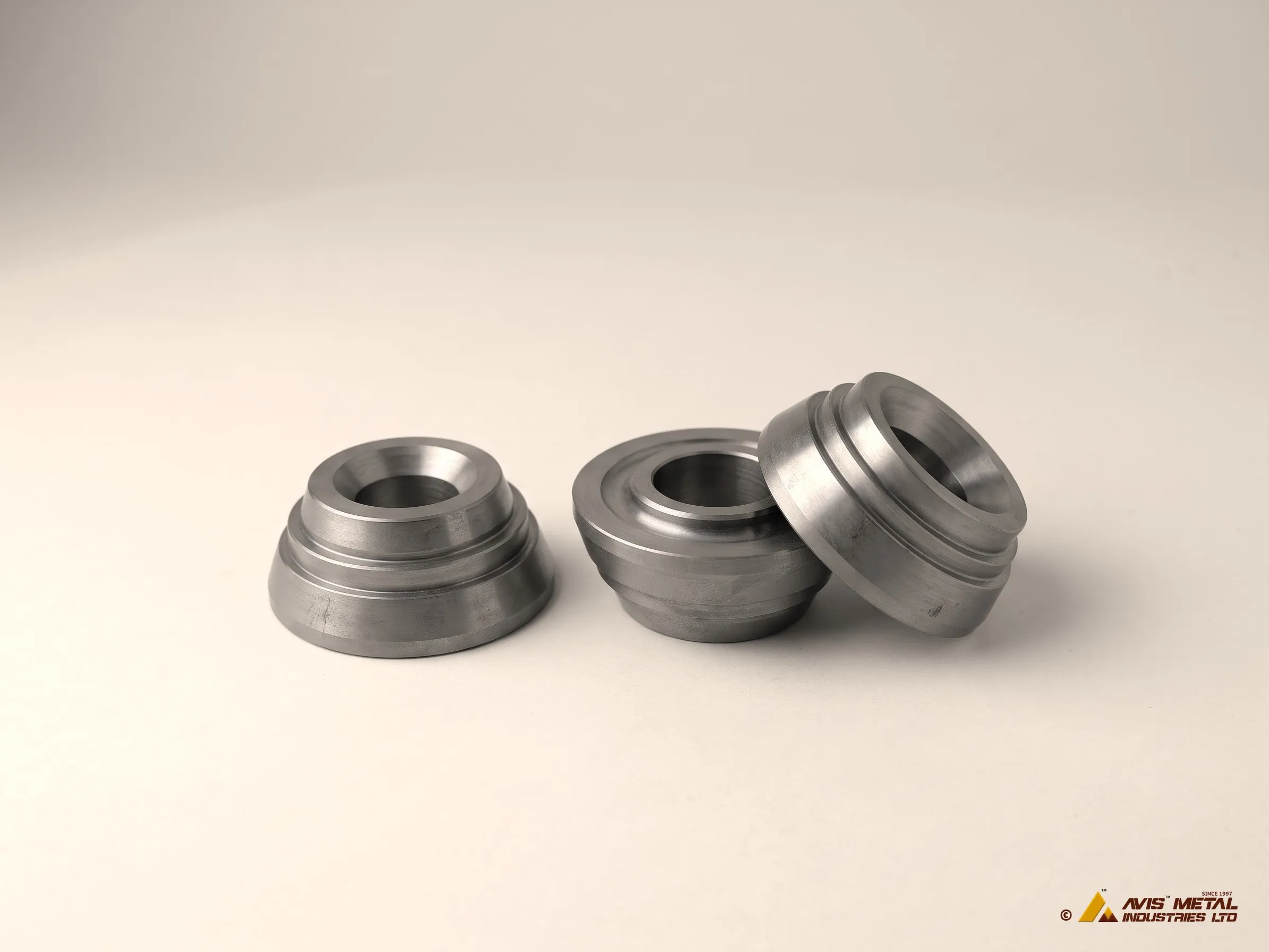
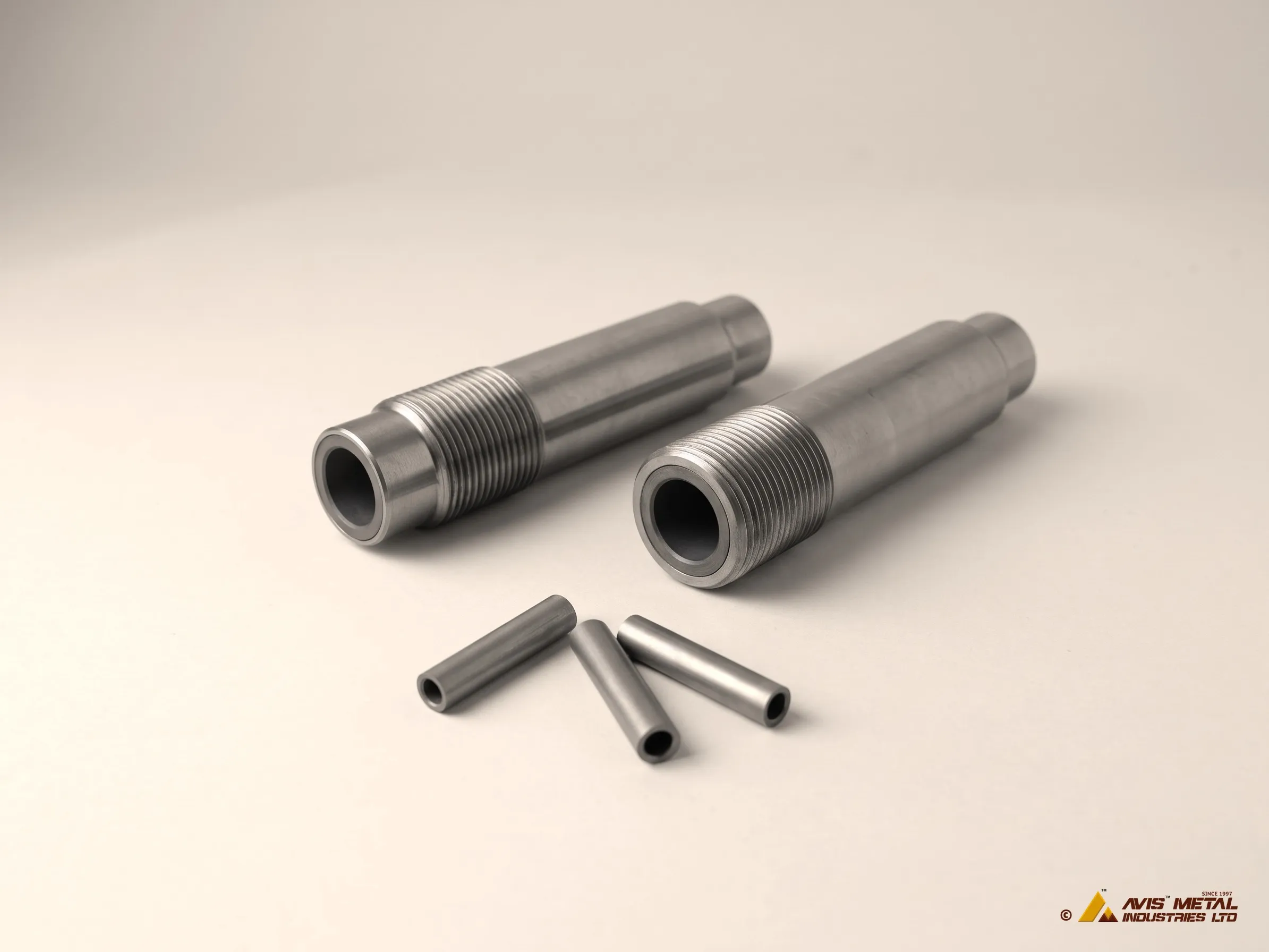
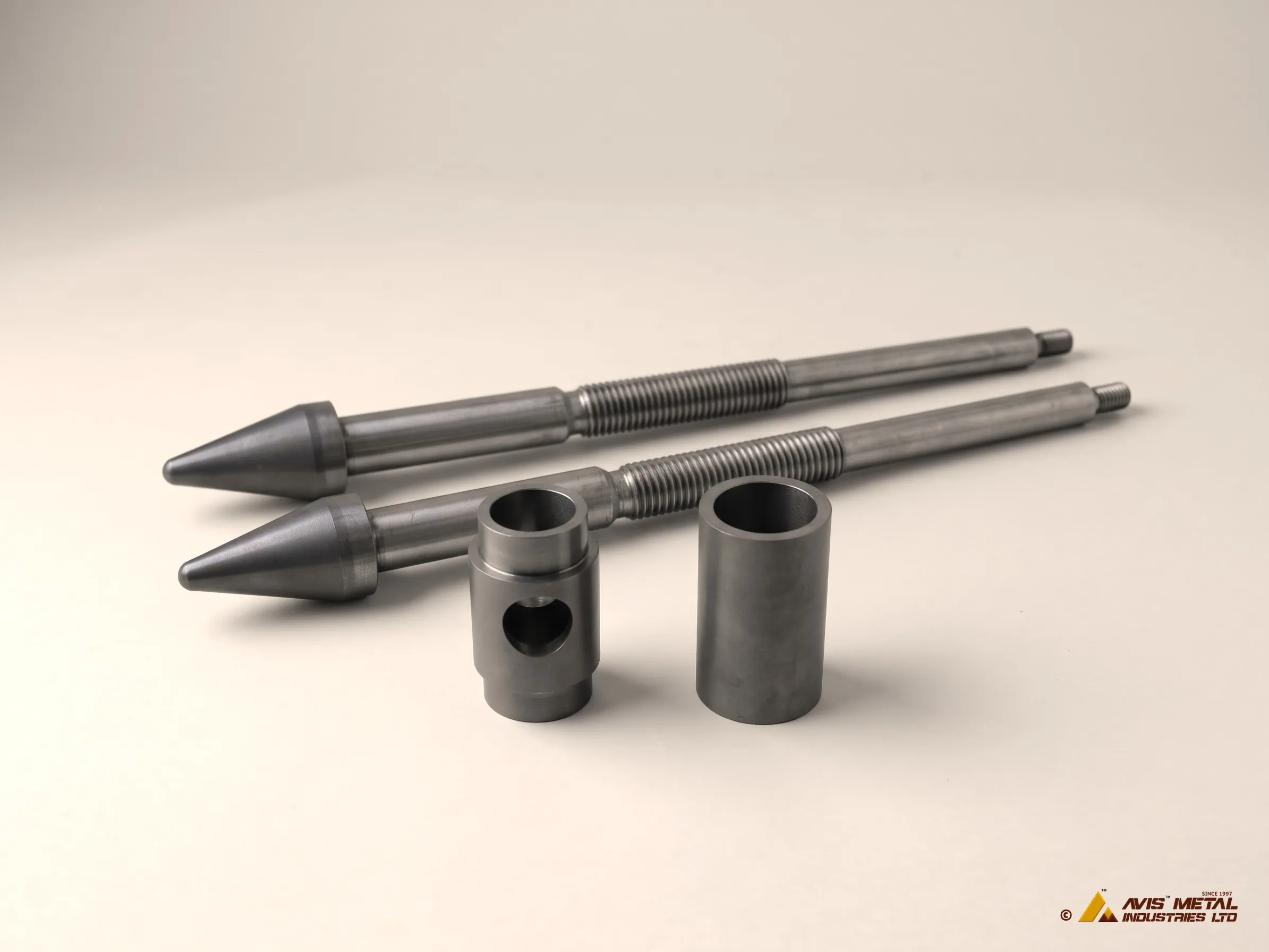
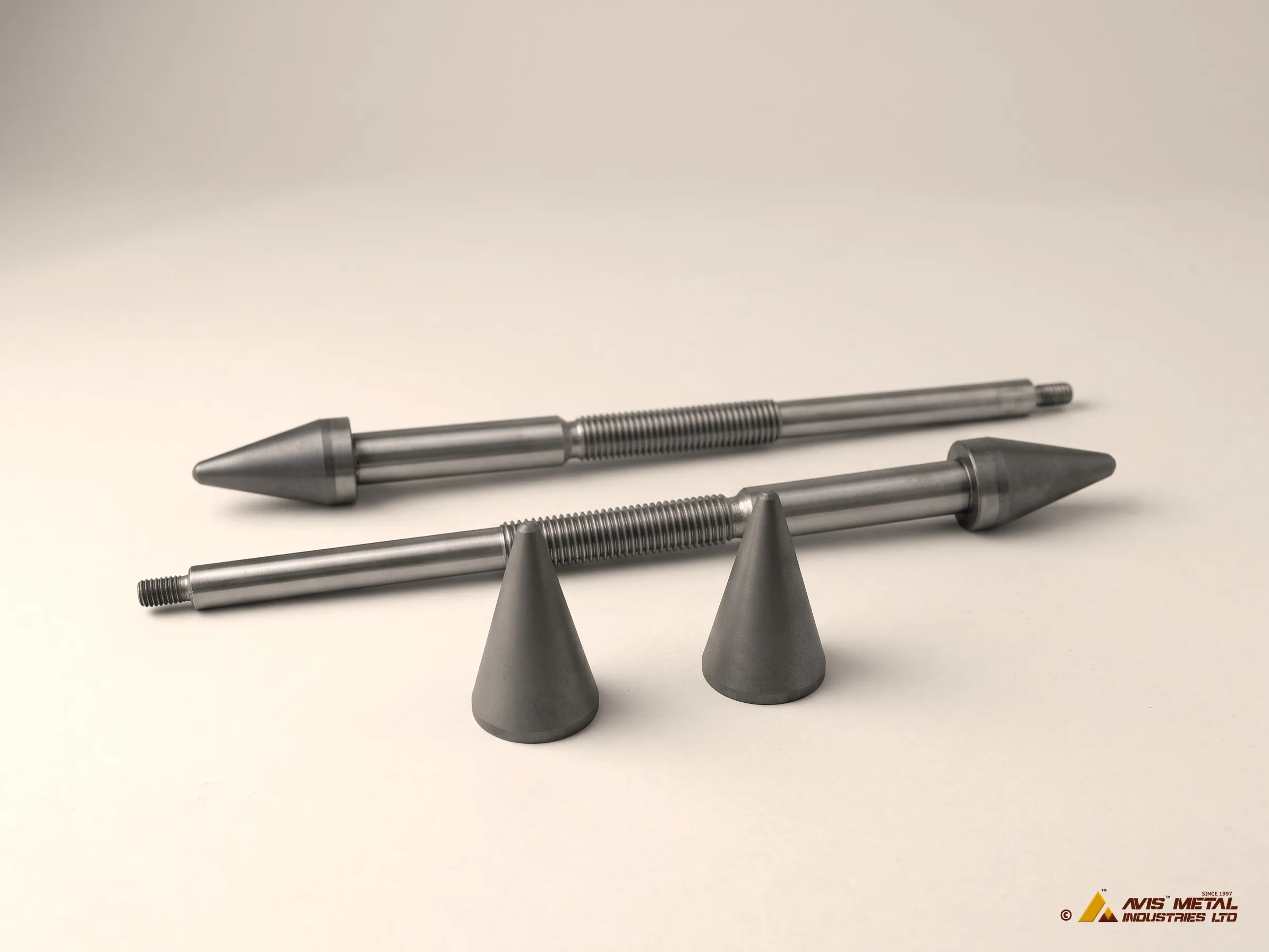
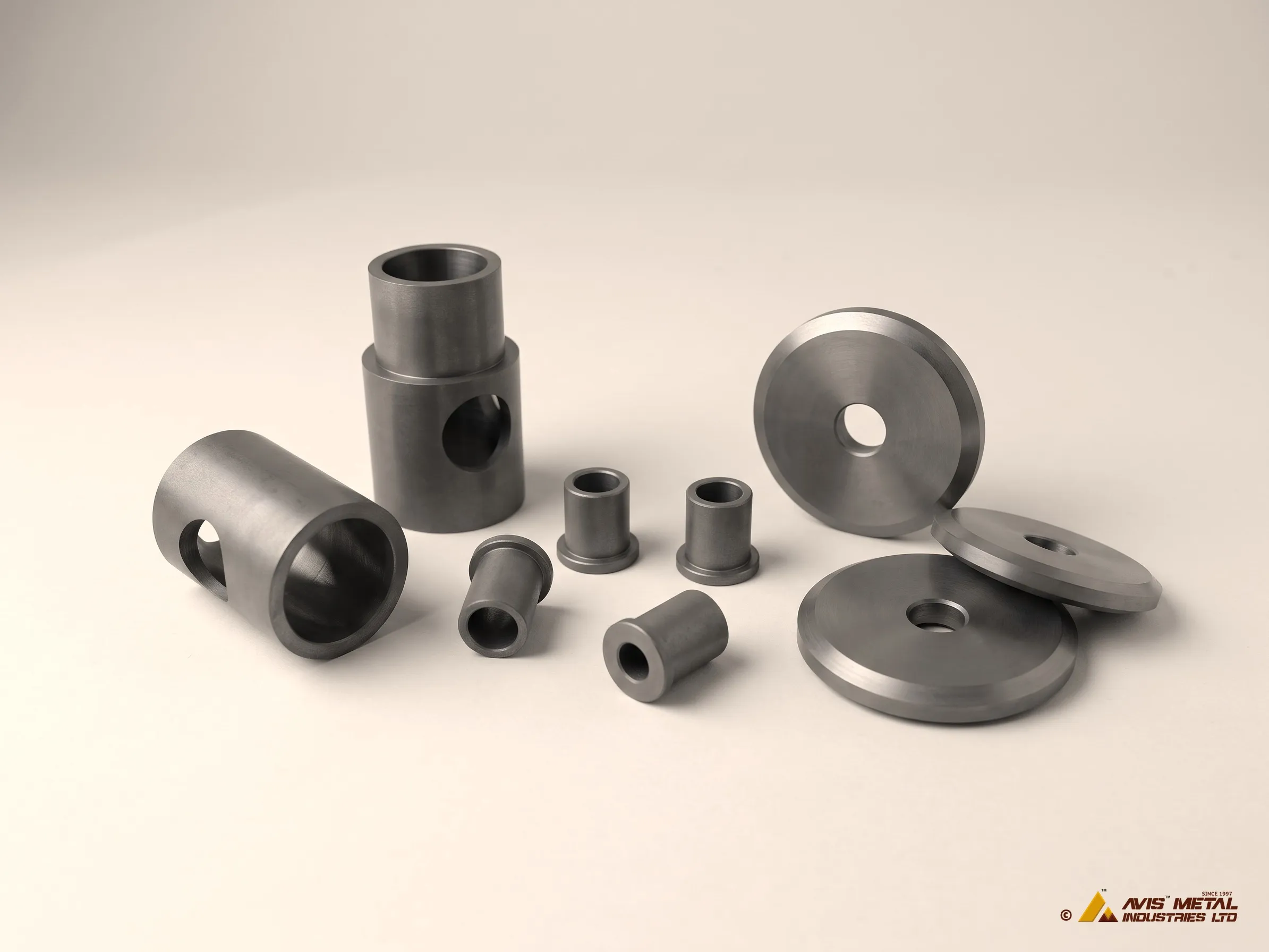
A valve seat is the ring that the closing member, ball, plug or stem, presses against to stop the flow. If the seat is cut by sand or erodes, the valve can no longer shut tight, and it leaks. In severe service, with abrasive slurries, sandy production fluids or flashing liquids, a steel seat can wash out quickly. A tungsten carbide seat keeps its sealing face much longer.
We make tungsten carbide valve seats for the petroleum and process industries, where they control corrosive and abrasive fluids and gases. Every oilfield and petrochemical component we make is pressed on a cold isostatic press for even density. The sealing face is what matters most: its flatness and finish decide whether the valve seals. So the seat and its mating ball or stem are usually specified together, and are often lapped as a pair. For corrosive duty, the binder in the carbide grade needs to suit the fluid as well as the wear. Sudden temperature swings and hard impacts on closing are the other common threats to a seat. Telling us about them up front helps us choose the right design.
Valve seats are made at Unit 1, Navsari, to customer drawings, under our ISO 9001:2015 system.